
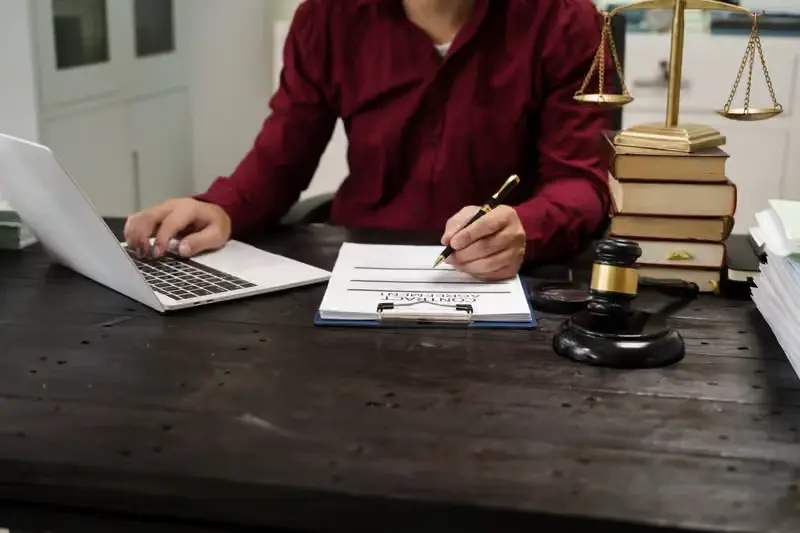
Maria sat at her kitchen table with a stack of papers, a cup of tea going cold beside her. Her landlord had ignored repair requests for months, and now she needed to take the matter to court. She had heard the words “petition for court filing” from a neighbor, but no one had explained what that meant. Her hands shook a little as she opened the first page. Did she need a lawyer? What format did the court want? Would one wrong box ruin everything?
Many people feel exactly like Maria when they first face a court document. The system seems built for insiders who already know the language. The good news is that a petition for court filing follows a logical path. Once you understand the basic parts, the process becomes far less intimidating. This guide walks through what a petition is, how courts expect it to look, and what to check before you hand it in.
What a Petition Actually Is
A petition is a formal written request asking a court to take a specific action. It explains who you are, what happened, and what you want the judge to do. Some petitions start a new case, while others ask for a change within an existing one. Divorce, guardianship, name changes, and certain landlord disputes often begin this way.
Think of the petition as your opening statement, written on paper. It gives the court its first look at your situation. Judges and clerks read petitions to decide whether the request is valid and whether the court has authority to act. A clear petition helps the process move forward without unnecessary delays.
Why Format Matters More Than People Expect
Courts care deeply about format. Margins, font size, page numbering, and caption layout may sound like small details, but clerks often reject filings that do not follow local rules. A petition that looks sloppy can be sent back, even when the story inside is strong.
Maria learned this the hard way during her first attempt. She printed her petition on colored paper because it looked friendlier. The clerk gently explained that most courts require white paper, standard fonts, and a specific caption at the top. Maria went home, reformatted everything, and returned the next morning. That small fix saved her weeks of delay.
Every court publishes its own rules. Many post them online in a local rules section. Some counties also provide sample forms. Reading those rules before you write saves time and frustration.
Gathering the Right Information
Before writing anything, collect your facts. Dates, addresses, names, case numbers, and copies of relevant letters all matter. A petition built on vague memories looks weak. A petition with specific dates and documents looks credible and organized.
Maria created a timeline on a single sheet. She listed each repair request, the date she sent it, and the landlord’s response. She attached photos of the damage and copies of her rent receipts. This simple timeline became the backbone of her petition. Judges appreciate clarity, and a timeline makes that clarity easy to achieve.
Keep your language plain. Avoid long speeches or emotional outbursts in the formal document. State the facts, explain what you want, and let the evidence speak. You can share feelings later, when the court invites testimony.
Choosing the Correct Court and Filing Location
Filing in the wrong court can waste weeks. Courts have different jurisdictions based on location, subject matter, and the amount in dispute. A small claims court, a family court, and a probate court each handle different kinds of cases. Confirm which one fits your situation before you file.
Location matters too. Many cases must be filed in the county where the event happened or where a party lives. Some courts also have separate divisions for different case types. A court clerk can often tell you which office handles your petition, though clerks cannot give legal advice. Ask direct questions about procedure and fees.
Understanding the Required Parts
Most petitions include a caption, which shows the court name, case number if one exists, and the names of the parties. After the caption comes a introduction stating who is filing and why. The body lays out the facts in numbered paragraphs. The final section, often called the prayer for relief, lists exactly what you want the court to order.
Numbered paragraphs help judges follow your story. Each paragraph should cover one main fact. Keep sentences short and direct. If a date or dollar amount is involved, state it clearly. Vague phrases like “a while ago” or “a lot of money” invite questions that slow things down.
Signature and verification come last. Many courts require you to sign under penalty of perjury, which means every statement must be true. Read the document carefully before signing. Mistakes in names, dates, or addresses can cause complications later.
Filing Fees, Waivers, and Other Costs
Court fees vary widely. Some petitions cost a modest amount, while others run into hundreds of dollars. Many courts also charge for copies, certified documents, and service of papers on the other side. Before filing, ask the clerk for a current fee schedule.
If money is tight, you may qualify for a fee waiver. Courts usually ask for proof of income and expenses. Maria used a fee waiver form her county offered online, and it reduced her costs to zero. Do not assume you cannot afford to file until you check whether a waiver exists.
Serving the Other Party
Filing the petition is only part of the job. The other party must receive a copy through proper service. Courts have strict rules about who can deliver papers and how. Some allow certified mail, while others require a sheriff, process server, or another adult who is not involved in the case.
Proof of service matters just as much as the service itself. You will usually need to file a document showing when, where, and how the other party received the papers. Keep copies of everything, including receipts and tracking numbers. Missing proof of service can stall a case for months.
Common Mistakes That Slow Down a Petition
Many delays come from avoidable errors. Missing signatures, wrong case numbers, incomplete forms, and late filings top the list. Another common mistake is including too much emotional detail or insults about the other party. Courts focus on facts and legal grounds, so personal attacks often weaken a petition.
Maria also learned to double check deadlines. Some petitions must be filed within a set number of days after an event. Missing that window can end a claim before it begins. Write deadlines on a calendar and set reminders a week early.
Real-Life Lessons From the Courthouse Hallway
Court clerks often say the people who succeed are the ones who stay organized. They keep a folder with every document, note the names of staff they speak with, and write down answers to their questions. One clerk told Maria that a neat, complete file makes everyone’s job easier, and judges notice when a party takes responsibility for the process.
Some filers also find support from local legal aid groups, law school clinics, or self-help centers. These services can review forms, explain procedure, and sometimes connect people with volunteer attorneys. Asking for help is not a sign of weakness. It is a practical way to avoid mistakes.
Preparing for What Comes Next
After filing, the court typically sets a hearing date or sends a notice. The other party may respond with their own papers. Stay patient and keep copies of everything that arrives. Respond on time, and read each notice carefully.
Maria’s landlord eventually responded with a written answer. Because she had organized her timeline, evidence, and proof of service, she could address each claim calmly. The judge scheduled a hearing, and Maria walked in with a binder that made her feel prepared rather than overwhelmed.
Final Thoughts on Filing Your Petition
A petition for court filing is not magic, and it does not require special talent. It requires accurate facts, correct formatting, careful review, and attention to deadlines. When you break the process into small steps, the path becomes clearer. Ask questions, use free resources when available, and keep your language simple and honest.
Remember that courts exist to handle real problems in ordinary lives. You do not need to be a lawyer to file a clear, respectful petition. Take your time, double check your work, and do not hesitate to seek guidance when a step feels confusing. Each careful step brings you closer to the resolution you are seeking.
Frequently Asked Questions
1. Do I need a lawyer to file a petition for court filing?
Not always. Many people file petitions on their own, especially in small claims or family matters. A lawyer can help with complex cases, and legal aid groups may offer free guidance if you cannot afford one.
2. Where can I find the correct forms for my petition?
Start with the court clerk’s office or its official website. Many courts post standard forms, instructions, and local rules online. Self-help centers near courthouses also keep copies and can explain how to complete them.
3. What happens after I submit my petition to the court?
The clerk reviews the filing and assigns a case number. The other party is usually notified and given time to respond. The court may then schedule a hearing or request more information from you.
4. How long does a petition for court filing usually take to process?
Processing times vary by court and case type. Some clerks accept documents quickly, while hearings may take several weeks or months to schedule. Ask the clerk for an estimate based on local backlogs.
5. Can I correct a mistake after my petition has been filed?
Often yes, through an amended petition. Courts usually require you to file a corrected version and may allow changes before a hearing. Contact the clerk or a legal aid office quickly to learn the proper process.